
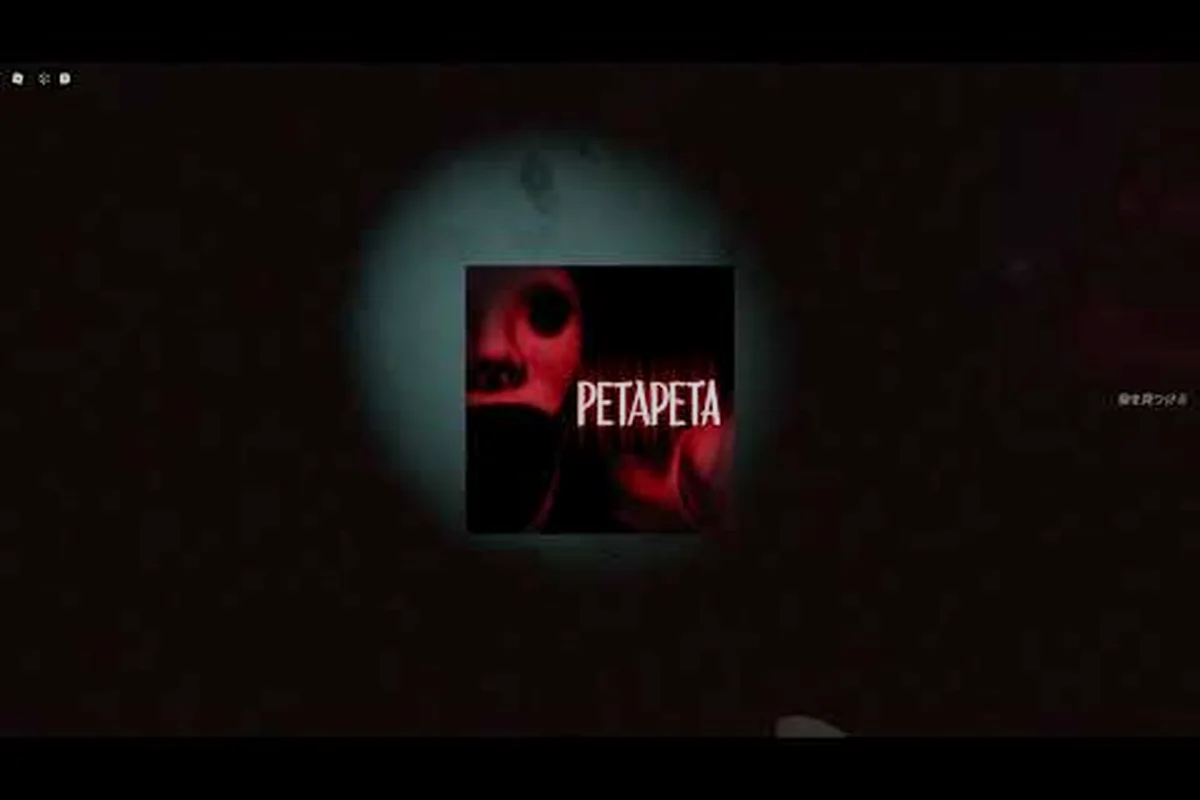
The PETAPETA new version is the single most useful thing to understand before you sink hours into the game, because the current build differs noticeably from what early players saw. This overview breaks down what ships today, how the update schedule works, and which roadmap signals point to future plans.
What the PETAPETA Latest Version Actually Includes
The current build is best understood as a foundation release rather than a finished product. According to community reports and the official store page, the PETAPETA latest version focuses on core loop stability, a cleaned-up progression curve, and the first pass of content that later patches are expected to expand. That framing matters because it tells you where to spend your time now and what to leave for later.
Three things define the present build: core gameplay loop stability, a progression curve still under numeric review, and a deliberately lean content set that the roadmap treats as a starting point rather than a finished catalog. Read together, these explain why the PETAPETA latest version plays cleanly in moment-to-moment combat while unlocks and mode gating remain subject to balance passes — the tuning work landed first on the loop, not on the reward tables.
-
Core gameplay loop — the moment-to-moment action is fully playable, with the tuning pass that arrived in the most recent patch smoothing out early difficulty spikes.
-
Progression systems — unlocks, rewards, and mode gating are in place, though the team has flagged that balance numbers are still being adjusted.
-
Content volume — the roster of levels and modes is intentionally lean, with the roadmap pointing to additions rather than reworks.
The table below summarizes how to read the current build at a glance, mapping each of the three defining elements — core gameplay loop, progression systems, and content volume — against its present state and the direction the PETAPETA roadmap points toward. Use it as a calibration tool rather than a scorecard: a "stable, tuned in latest patch" reading on core combat means you can invest in learning movement and enemy timing now, while a "numbers under review" reading on progression tells you to treat unlock costs and reward rates as provisional until the next PETAPETA update schedule lands.
| Build Element | Current State | Expected Direction |
|---|---|---|
| Core combat and movement | Stable, tuned in latest patch | Minor polish only |
| Progression and unlocks | Functional, numbers under review | Balance adjustments |
| Level and mode count | Lean launch set | Expansion via updates |
| Performance and bugs | Playable, known issues logged | Hotfix-driven |
| Localization | Partial coverage | Rolling additions |
What this means practically: if you are starting now, you are playing a version that will keep changing under you. That is not a warning to wait — it is a reason to track the update overview so your expectations stay calibrated to what is actually live.
How the Current Build Differs From Launch
Community reports consistently describe the launch build as rougher around the edges, with the biggest complaints centered on pacing and clarity rather than broken systems. The most recent patch addressed a chunk of that feedback, which is why the current version feels more coherent than launch-day impressions suggest. Reading older reviews without that context can give you a skewed picture of where the game stands today.
Understanding the PETAPETA Update Schedule
The PETAPETA update schedule is not a fixed calendar, and treating it like one is the fastest way to get frustrated. Based on developer communication and community tracking, updates arrive in three rough tiers, each with a different cadence and purpose.
| Update Type | Typical Cadence | What It Usually Contains |
|---|---|---|
| Hotfix | Days after a reported issue | Crash fixes, progression blockers, exploit patches |
| Balance patch | Every few weeks | Number tuning, mode adjustments, quality-of-life |
| Content update | Longer, milestone-based | New levels, modes, events, systems |
The key insight is that hotfixes and balance patches are reactive, while content updates are planned. That split explains why some weeks feel busy and others feel quiet — the team ships fixes as needed but holds bigger features for milestone releases. Players who track the patch notes and changelog tend to notice this rhythm quickly, because small entries cluster before a larger drop.
Why There Is No Public Date Calendar
Developers have been explicit that committing to hard dates early creates pressure to ship unfinished work, so the schedule is communicated as intent rather than promise. This is common for small teams, and it means you should read any roadmap entry as a direction of travel, not a delivery guarantee. Community trackers that log every release are more reliable than guessing from teaser posts.
Reading the PETAPETA Roadmap Without Misreading It
The PETAPETA roadmap is a statement of priorities, and the single most common mistake is treating every listed item as equally likely to arrive on time. In practice, roadmap entries fall into confidence tiers, and knowing which tier an item sits in changes how much you should plan around it.
| Roadmap Tier | Confidence | How to Treat It |
|---|---|---|
| Confirmed and in progress | High | Expect it within the current cycle |
| Planned but unscheduled | Medium | Likely, but timing unknown |
| Exploring and prototypes | Low | Treat as a maybe, not a promise |
Items in the top tier are usually already visible in test builds or referenced in dev posts. Middle-tier items appear in interviews and roadmap graphics without dates. Bottom-tier items are the ones developers describe as ideas they would like to pursue — and those are the entries that most often get quietly reshaped or dropped when priorities shift.
Signals That an Item Is Actually Close
Watch for three concrete signals rather than teaser language. First, the item starts appearing in patch notes as a partial implementation. Second, developers begin answering questions about specifics like numbers or UI rather than concept. Third, the community finds references in the build files. Any one of these is a stronger indicator than a roadmap graphic, and two together usually means the feature is genuinely in the pipeline.
PETAPETA Future Plans: What Developers Have Signaled
The PETAPETA future plans that developers have discussed publicly cluster around three themes — more content variety, deeper progression, and event-driven updates — and each one has direct implications for how you should invest your time now. Rather than chasing every incremental PETAPETA new version drop, the smart move is to read the roadmap signals: a mode-type expansion rewards building a broad roster, while progression tuning rewards patience over panic-grinding. Treat each confirmed update as a checkpoint, not a race.
-
More content variety — additional levels and mode types are the most frequently mentioned direction, with challenge-focused content appearing in community discussion of upcoming additions.
-
Deeper progression — the team has acknowledged that current unlock pacing is a work in progress, suggesting future tuning rather than a full redesign.
-
Event-driven updates — seasonal and themed events are referenced as a way to keep the game fresh between larger drops, which fits the pattern of milestone-based releases.
The event angle is worth watching closely, because themed updates tend to bring limited-time content that rewards playing during a window rather than after it. Community discussion of the 2026 update timeline tracks these seasonal windows as they are announced, which is more useful than trying to predict them.
What Is Unlikely to Change Soon
Not everything is in flux. The core loop, the general structure of progression, and the overall content philosophy appear settled. Developers have not signaled plans to rebuild fundamental systems, which means advice about how to play the game now will stay largely valid. The churn is concentrated in content volume and balance numbers, not in the foundation.
How to Track the PETAPETA New Version Yourself
Relying on secondhand summaries is fine until a patch lands and you need specifics. Building a small tracking habit keeps you current without much effort, and it is far more reliable than waiting for a video essay to summarize a release weeks later.
| Tracking Method | Best For | Effort |
|---|---|---|
| Official patch notes | Exact numbers and fixes | Low |
| Community changelog trackers | Catching missed details | Low |
| Dev posts and interviews | Roadmap intent | Medium |
| Test build observations | Early feature signals | High |
Start with the first two. Official notes give you the authoritative record, while community trackers catch the small changes that never make the headline. The latest update news roundup is a reasonable single stop for the headline items, and it saves you from refreshing multiple sources.
Building a Simple Check Routine
Check once after each patch rather than daily. Read the notes for anything that touches progression or rewards, since those changes affect your planning most. Ignore cosmetic entries unless they interest you. This routine takes a few minutes per release and keeps you from being surprised by a balance shift that quietly changed your favorite approach.
What Each Update Type Means for Your Play
Update types differ in how much they disturb your existing routine, and matching expectations to the type is what separates a smooth transition from constant frustration. A hotfix that silently patches a crash or a stuck progression flag asks nothing of you beyond relaunching, while a balance patch can quietly retire the loadout you have been leaning on for weeks. Content updates sit at the far end: they introduce new modes, levels, and reward tracks that reward a deliberate re-read of the patch notes rather than a reflex download. Knowing which category a given PETAPETA new version falls into before you install tells you whether to simply log in or to set aside time to re-learn your approach.
-
Hotfixes rarely change how you play — they remove obstacles. If something felt broken, check whether a hotfix already addressed it before assuming the game is at fault.
-
Balance patches can invalidate a strategy overnight. When one lands, re-test your usual approach rather than assuming it still works.
-
Content updates are the ones worth planning around. They add modes and levels, and they are the releases where returning players get the most value.
The mode-focused additions deserve particular attention, since new modes often come with their own reward structures. The challenge runs and mode unlocks breakdown explains how those structures tend to work, which helps you decide whether a new mode is worth your time on day one or better left until it settles.
Managing Expectations Between Releases
Quiet stretches are normal and do not mean the game is abandoned. Small teams batch work and ship in bursts, so a few weeks without a content drop is expected behavior rather than a warning sign. The reliable indicator of health is whether hotfixes and balance patches keep arriving — those show active maintenance even when big features are still in the oven.
Frequently Asked Questions
Is the PETAPETA new version worth starting now?
Yes, because the current build has the core loop and progression in place, and the most recent patch smoothed the roughest early pacing. Waiting gains you little since future updates add content rather than rebuild systems, so starting now means you learn the fundamentals on a stable foundation.
How often does the PETAPETA update schedule change?
The cadence itself is stable, but specific dates shift because developers avoid committing to hard deadlines. Hotfixes arrive within days of reported issues, balance patches land every few weeks, and content updates follow milestone completion rather than a fixed calendar, so treat any date as an estimate.
What does the PETAPETA roadmap actually promise?
It communicates priorities rather than guarantees. Confirmed and in-progress items are reliable, planned-but-unscheduled items are likely but undated, and exploratory items are ideas that may be reshaped or dropped. Reading each entry by its confidence tier is the accurate way to use it.
Will future plans add new modes or just more levels?
Community discussion around the PETAPETA new version keeps circling back to content variety as the single most requested direction. The recurring asks split into two camps: challenge-focused modes that remix existing stage layouts with tighter timing windows and modified enemy patterns, and additional level sets that extend progression beyond the current cap. Seasonal events sit alongside these as a lighter layer, timed to bridge the gap between larger milestone releases so the PETAPETA update schedule never feels dormant for long. Notably, none of these proposals touch the core loop — they build on it, which is why the roadmap lists them as additive rather than systemic changes.
Where should I check for PETAPETA latest version details?
Start with official patch notes for exact numbers, then use community changelog trackers to catch smaller changes that never make headlines. Checking once after each patch is enough, and focusing on entries that touch progression or rewards keeps the routine short and useful.
The current build is a stable foundation with a clear direction of travel, and the roadmap reads best as a set of priorities rather than a delivery contract. Track the patch notes for what is live, treat roadmap tiers by their confidence level, and plan your play around content updates instead of hotfixes. That approach keeps your expectations matched to reality as the PETAPETA new version continues to evolve.