
Monsters
The creatures that hunt you: PetaPeta, its Mini-Peta swarm, transformation modes and the sound-driven jump scares you need to read to survive.
Introduction
PetaPeta is the flat, grinning monster that gives the game its name — the supernatural being that the golden rule tells you never to touch. This section documents the creatures that hunt players across PETAPETA: the main PetaPeta, the smaller Mini-Peta variants, the transformation modes that let players become the hunter and the sound-driven jump scares that form the core threat. Behavior details combine official cues with community observation and creator commentary, so threat levels and patience mechanics are marked as community estimates where the developer has not published official numbers. The roster below builds from the main PetaPeta outward, so readers can learn the core hunter first, then layer the variants on top.
Monster Roster & Threat
| Monster | Behavior | Threat |
|---|---|---|
| PetaPeta | Patrols levels; anger rises with correct puzzle answers. | Extreme |
| Mini-Peta | Small swarm variants clustering around the main monster. | High |
| Hard PetaPeta | Community playthroughs describe an extra hunter on Hard. | Extreme |
| Transformed Player | PVP mode where players hunt others as the monster. | High |
| Jumpscare | Sound-driven scares; headphones and max graphics recommended. | Medium |
Monster Roster
PetaPeta
The flat, grinning hunter behind the game's name — the flat grinning hunter behind the game's name, the main patrol you must learn to read in every level of the run.
Mini-Peta
Smaller swarm variants that extend the danger zone — the smaller swarm variants that cluster around the big monster and extend the danger zone around switches and puzzle rooms.
Hard PetaPeta
The extra hunter players describe on Hard mode — the extra hunter that community playthroughs describe on Hard, which rewrites the safe routes you memorized on Normal.
Super Hard PetaPeta
More hunters and near-zero tolerance on the top difficulty — the Super Hard stack that adds even more hunters and near-zero tolerance while the route layout stays identical.
Transformed Player
PVP's hunter side where players switch roles — the PVP hunter side where a player takes the PetaPeta-like role and chases other players in community-explained rules.
Jumpscare PetaPeta
What the scare looks like when the cue arrives — the sound-driven scare trigger that ends runs, the reason headphones and maximum graphics are both officially recommended.
Core Mechanics
PetaPeta roams the levels on scripted patrol routes and reacts to the player's movement and noise. Its anger grows each time the player answers a sequence puzzle correctly, so the puzzle system and the monster chase are linked: solving the game correctly pushes the monster closer to full aggression. The jump scare mechanic is audio-driven — official tips recommend headphones and maximum graphics because the game telegraphs the scare with sound before it lands. On Hard and Super Hard difficulties, community playthroughs describe additional PetaPetas joining the hunt, and the PVP mode lets a player transform into the monster and hunt other players instead.
Advantages
A solid monster guide turns the horror from random danger into readable patterns. You learn how PetaPeta patrols, what sound cues predict a jump scare and when the anger meter is about to force a harder chase. Knowing each variant — the swarm Mini-Peta, the transformed player and the extra Hard-mode hunters — lets you tailor your route to the actual threat rather than a generic 'hide and wait' strategy. For players who want the masked thrill of the PVP side, the behavior notes also explain how the hunter role actually works when you become the monster. Behavior knowledge also improves routing: knowing where the swarm hunts and when the jumpscare cue fires lets you plan safer paths instead of improvising mid-chase.
Challenges
PETAPETA keeps most of its monster behavior undocumented, so community observation is the main source. The anger mechanic tied to correct puzzle answers comes from creator commentary rather than official documentation, and the extra PetaPeta on Hard is a community video observation that has not been confirmed by the developer. Mini-Peta counts reported in some videos are single observations of one play session, not official figures. Readers should treat every number here as a snapshot of the current version, because update events such as The Hollow can change monster behavior. Verify the current behavior in-game after big updates, because seasonal events can move patrols or change how the swarm behaves.
Frequently Asked Questions
What is PetaPeta and where does the name come from?+
What are Mini-Peta and how do they behave?+
Can players become the monster?+
Quick Tips
Learn the sound language before anything else. PETAPETA telegraphs its scares with audio — footsteps, breaths and the sting before a jump scare — and the official tips are unambiguous: wear headphones and run maximum graphics. Play a few practice rounds with the express goal of naming every cue you hear. Once your ears map the monster's approach distance, most chases become survivable windows instead of surprises, and the same cues carry over to every level and every difficulty mode.
Tie your hiding habits to the anger meter, not just the chases. The monster grows angrier with every correct puzzle answer, which means the danger after a puzzle room is predictable: expect a tougher patrol right after you solve. Plan each puzzle room with an exit route already in mind and treat the immediate post-solve window as the highest-risk minute of the level. This pacing habit protects you in Normal and becomes essential on Hard and Super Hard, where extra PetaPetas share the patrol.
Separate the monster's patrol from its anger state when you plan escapes. PetaPeta has a visible patrol route, but its anger — the patience meter raised by correct puzzle answers — eventually forces a much harder chase. Watch for the moment the patrol tightens after a solve, because that is your signal to leave the puzzle area immediately. Tracking patrol and anger separately turns the monster from an unpredictable threat into two readable states you can play around.
Featured

PETAPETA hiding spots and sound cues: how to escape the monster
Learn how to escape the PETAPETA monster by reading its sound cues, breaking line of sight, and using hiding spots that actually keep you safe during a chase.

PETAPETA jump scare monster: every scare and death scene ranked
Discover the PETAPETA jump scare monster at its worst: which encounters hit hardest, what triggers each death scene, and how to brace for the scariest moments.
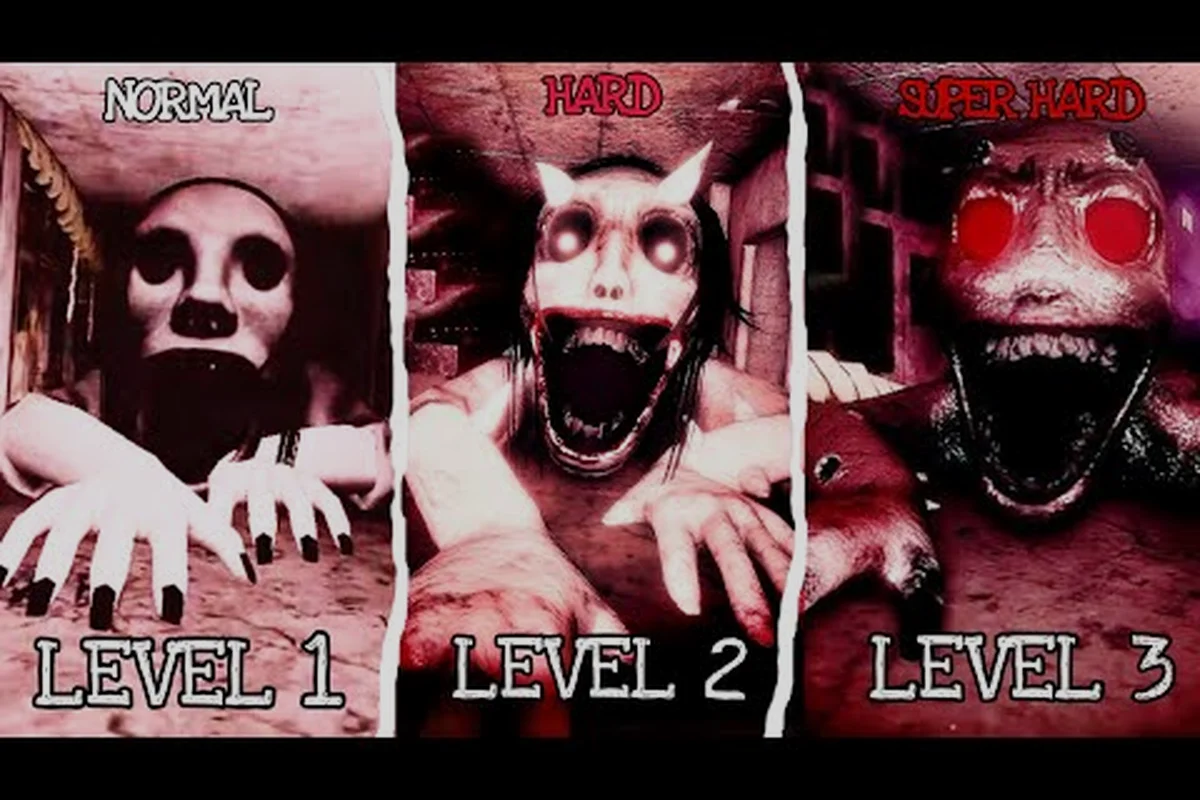
PETAPETA Mini Peta guide: small swarm monsters and variants
Understand PETAPETA Mini Peta swarms: how the small monsters split into variants, why they punish standing still, and the movement that keeps them off your back.
All Articles
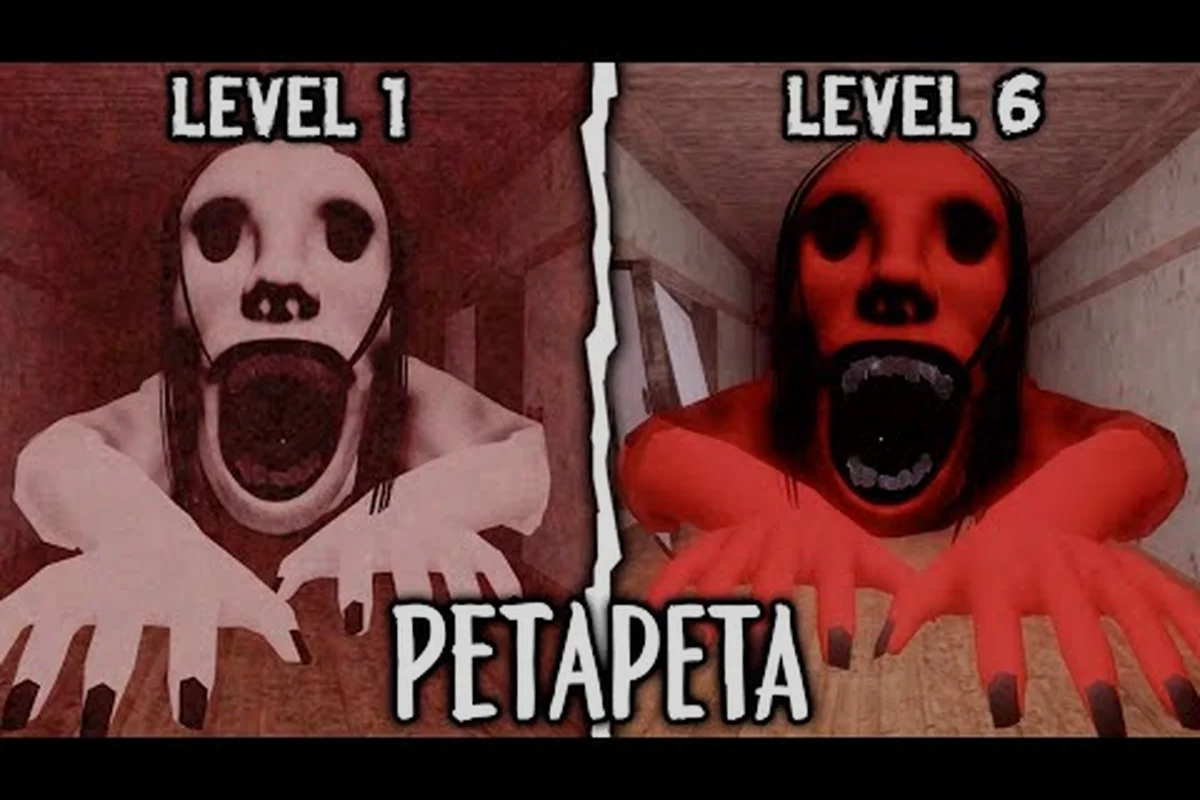
PETAPETA monster behavior: chase patterns and speed scaling
Read the PETAPETA monster AI before it reads you: how chase behavior changes by stage, when speed scales up, and the cues that reveal its next move.

PETAPETA monster lore: yokai roots, meaning and urban legends
Dig into PETAPETA monster lore and trace the creature back to Japanese yokai, its name meaning, and the urban legends that shaped this Roblox horror.
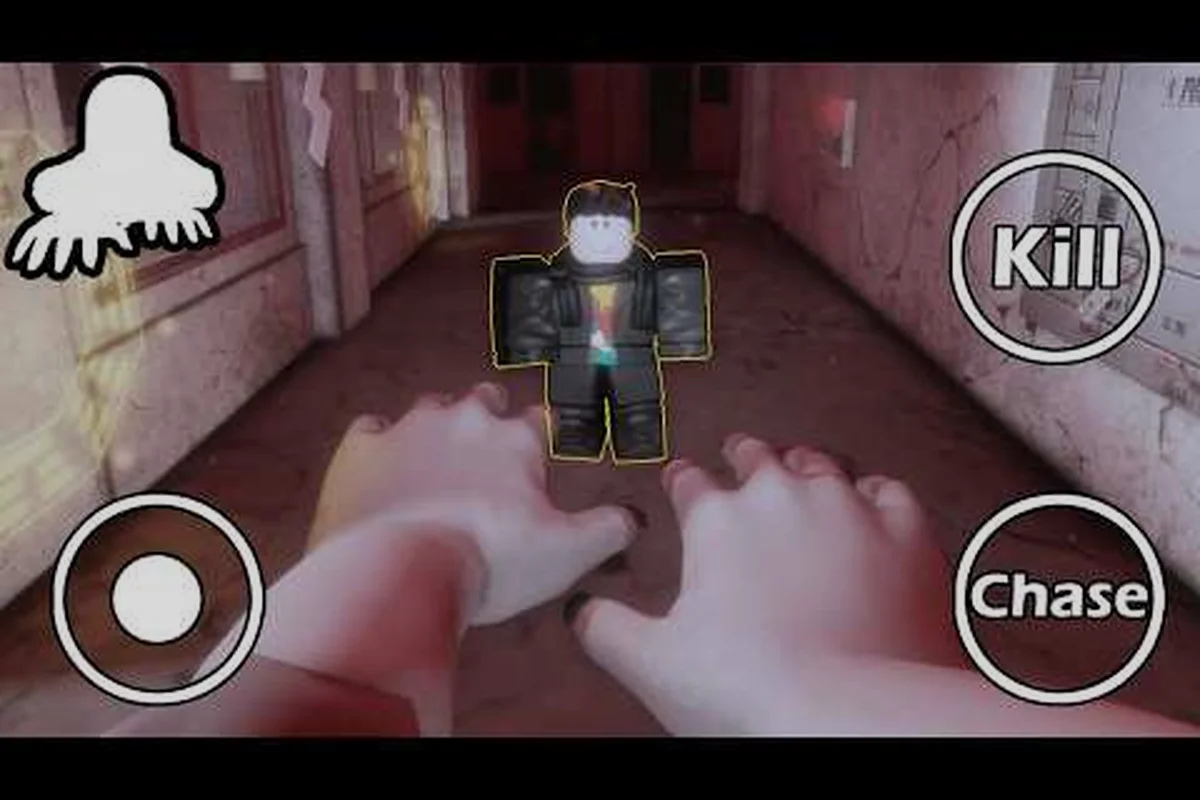
PETAPETA monster guide: every monster and how many there are
Meet every PETAPETA monster in one place: how many appear across the levels, what each one looks like, and the tell that signals it is about to strike.
PETAPETA transformation: what happens when you touch the monster
Wondering about the PETAPETA transformation? See what the touch rule really does, how the boss monster changes you, and why the final monster form matters.